Future of Robotics in Everyday Life: Inspiring Innovations Ahead
Future of robotics in everyday life is transforming homes, healthcare, workplaces and cities. Discover how robots will simplify daily living.
The future of robotics in everyday life promises smarter homes, personalized healthcare, and efficient workplaces. Robots will handle household tasks, assist seniors, enhance education, and support public services. With AI, automation, and advanced sensors, robots are becoming reliable companions that improve convenience, safety, and productivity.
Future Of Robotics In Everyday Life 🤖
What if, in just a few years, having a personal robot becomes as normal as owning a smartphone? It may sound futuristic, but we’re closer to that reality than ever. The future of robotics in everyday life is unfolding quickly, reshaping how we live, work, learn, and connect with the world.
Robots are no longer limited to science labs or manufacturing floors. Artificial intelligence (AI), machine learning, and advanced sensors have made them smarter, more interactive, and easier to integrate into daily routines. Let’s explore how robotics is about to become part of your everyday experiences—and why this shift is both exciting and transformative.
The Evolving Role Of Robots In Daily Life 🤩
Robots used to be seen as machines that replaced human labor. Today, the narrative is different. They are becoming helpful companions, assistants, and partners in daily tasks.
We now see robots cleaning homes, assisting surgeries, guiding travelers, and even tutoring students. Their role is shifting from tools to collaborators—supporting humans in meaningful ways.
As technology grows more intuitive, robots will be able to:
- Understand natural human language
- Recognize faces, emotions, and expressions
- Learn patterns and habits
- Predict needs and respond accordingly
This evolution makes robots not just smart, but also personalized.
Smart Homes And Domestic Robots 🏠
Home is where robotics innovation is growing fastest. Many households already use robotic vacuum cleaners, smart speakers, and automated kitchen assistants.
But the future takes things further:
- Robots that fold laundry
- Robots that cook full meals
- Robots that monitor kids or elderly family members
- Personal companion robots for emotional support
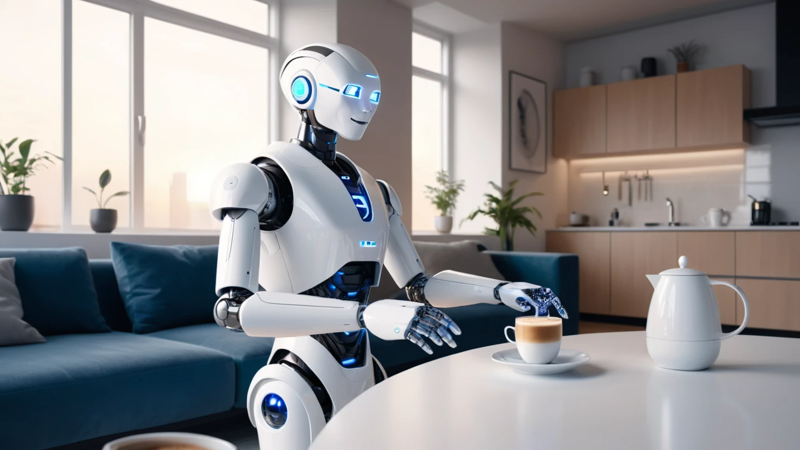
Imagine walking into your home and your robot greets you, adjusts room temperature, prepares coffee, and updates your schedule. This is not science fiction—it’s emerging reality.
Comparison Of Current vs Future Home Robotics
| Feature | Current Home Tech | Future Home Robotics |
| Cleaning | Robotic vacuums and mops | Fully autonomous cleaning and organizing bots |
| Cooking | Smart ovens, recipe apps | Robots preparing full meals and kitchen automation |
| Safety | Smart cameras and alarms | AI-enabled monitoring, emergency response robots |
| Assistance | Voice-controlled devices | Emotion-aware personal assistant robots |
Robotics In Healthcare And Medical Support 🏥
One of the most impactful uses of robotics is in healthcare. Robots are assisting doctors in surgeries, improving diagnostic accuracy, and supporting patient rehabilitation.
Healthcare robots help with:
- Minimally invasive surgeries
- Medicine delivery in hospitals
- Monitoring patient vitals
- Providing physical therapy assistance
For elderly or disabled individuals, home-care robots can offer safety and independence. They can remind users to take medications, assist mobility, or call for help in emergencies.
Robotics In Education And Learning 🎓
Education is evolving, and so are teaching tools. Robots can help create interactive and personalized learning experiences.
Key benefits include:
- Customized learning pace
- Engaging interactive activities
- Tutoring in STEM subjects
- Language and communication practice
Robots don’t replace teachers—they enhance learning by offering extra support where needed.
Robots In The Workplace And Offices 💼
Workplaces are transforming as robots automate repetitive tasks, improve efficiency, and reduce human fatigue.
Examples include:
- Clerical automation (data entry, scheduling)
- Warehouse and logistics robots
- Collaborative robots (“cobots”) working alongside humans
- Customer service robots at kiosks or help desks
Instead of replacing humans, robots handle repetitive duties so employees can focus on creative, strategic work.
Key Advantages Of Robots In Workplaces
| Benefit | Impact |
| Higher Productivity | Consistent performance without fatigue |
| Reduced Human Error | Accurate calculations and precision tasks |
| Cost Efficiency | Saves time and long-term labor costs |
| Employee Well-being | Less stress and workload pressure |
Robotics In Transportation And Delivery 🚗
Self-driving cars, drones, and automated delivery robots are already being tested globally. They promise faster and safer transportation.
Expect:
- Autonomous public transport fleets
- Drone-based grocery and medicine delivery
- Road safety improvements through automation
Traffic jams and human driving errors may significantly reduce in the near future.
Social Companion Robots For Everyday Interaction 💬
Some robots are being designed for emotional and social interaction. These robots understand tone, facial expressions, and conversational cues.
They help:
- Reduce loneliness
- Support mental wellness
- Encourage emotional expression
Such robots are particularly valuable for children, seniors, and individuals needing emotional support.
Robotics In Entertainment And Leisure 🎮
From robotic pets to robot actors, entertainment robotics is expanding rapidly. Theme parks already use advanced animatronics. Personal robot pets offer companionship without maintenance challenges.
This space blends creativity, storytelling, and engineering to create enjoyable, interactive experiences.
Robots Supporting Senior Care And Independent Living 👵
An aging population worldwide means growing demand for assisted living. Robots will play a major role in ensuring comfort and independence.
Robots can:
- Help seniors walk safely
- Monitor health vital signs
- Assist with daily hygiene
- Provide companionship to reduce loneliness
This is not just technology—it’s dignity through independence.
Robot Assistance Types For Senior Care
| Task Type | Robot Function | Example Features |
| Safety Monitoring | Detect falls, track health | Alerts to caregivers |
| Daily Mobility | Help walking or standing | Mechanical support arms |
| Emotional Support | Conversation & companionship | Face recognition & voice response |
How AI Enhances Robotic Intelligence 🧠
Artificial Intelligence is the driving force behind modern robotics. AI allows robots to think, learn, and improve over time.
Through:
- Deep learning
- Natural language processing
- Vision and sensor technology
Robots gain the ability to understand and respond to human needs more naturally.
Ethical And Social Considerations ⚖️
With great technological power comes responsibility. Society must consider:
- Data privacy
- Safety regulations
- Responsible usage in workplaces
- Emotional effects on dependency
Developers, lawmakers, and communities must collaborate to ensure robotics improves life without exploitation or harm.
Challenges Ahead And How They Will Be Solved 🔧
While the future is promising, robotics still faces:
- High development and production costs
- Limited emotional intelligence
- Power and battery efficiency issues
But rapid innovation is closing these gaps. As adoption grows, costs will decrease and efficiency will improve.
The Future Is Collaborative, Not Competitive 🌍
The future of robotics in everyday life is not about replacing humans—it’s about enhancing human potential. Robots will handle repetitive tasks so humans can focus on creativity, empathy, relationships, and innovation.
The coming years promise a world where humans and robots coexist in harmony, each strengthening the other.
Conclusion
The future of robotics in everyday life is bright, transformative, and incredibly promising. From homes and workplaces to hospitals and schools, robots are becoming key partners that support convenience, safety, and well-being. As technology advances, our relationship with robots will deepen, evolving from simple interaction to meaningful collaboration. The future isn’t just automated—it’s human-centered with robotic assistance.
FAQs
How will robots change daily home life?
Robots will manage household chores, provide companionship, and enhance security. Smart assistants will learn personal routines to offer tailored support. Homes will become more automated and convenient.
Will robots replace human workers?
Robots will replace repetitive, manual tasks, not creative or emotional work. Humans will shift to roles requiring strategy, empathy, and problem-solving. Collaboration will be the new standard.
Are robots safe to use around children and seniors?
Most consumer robots are designed with safety-first systems. They include sensors, emergency stop features, and behavior controls. Regular updates improve safety over time.
How will robots improve healthcare?
Robots assist doctors in surgeries and help monitor patients. They reduce human error and provide more precise care. Patients also benefit from rehabilitation and care support.
When will robots become common in households?
Many homes already use robotic devices like vacuums and smart assistants. More advanced personal robots are expected to become mainstream within the next 5–10 years.