How Nanotech Will Change Medicine By 2030 – Amazing Future
How nanotech will change medicine by 2030—discover breakthrough treatments, smart drugs, and futuristic healthcare innovations transforming lives.
Nanotechnology will transform medicine by 2030 through precise drug delivery, early disease detection, and personalized treatments. Tiny machines and materials will target diseases at the cellular level, improving outcomes and reducing side effects. This shift will make healthcare faster, smarter, and more effective.
How Nanotech Will Change Medicine By 2030
What if doctors could treat diseases before symptoms even appear? 🤔
By 2030, nanotechnology is expected to revolutionize medicine in ways that feel almost like science fiction. From tiny robots in your bloodstream to smart drugs that know exactly where to go, healthcare is about to get a major upgrade.
Let’s break down exactly how this powerful technology will reshape medicine—and what it means for you.
What Is Nanotechnology In Medicine? 🔬
Nanotechnology in medicine refers to using extremely small materials, often at the atomic level, to diagnose, treat, and prevent diseases. These particles are so tiny that they can enter cells and interact with biological systems directly.
This level of precision allows doctors to target diseases more accurately. Instead of affecting the whole body, treatments can focus only on the problem area. That means fewer side effects and better results.
Why Nanotech Is A Game-Changer For Healthcare 🚀
Traditional treatments often work broadly, impacting both healthy and unhealthy cells. Nanotech changes that approach completely.
With nanoscale tools, doctors can detect diseases earlier and treat them more effectively. This shift reduces recovery time and improves patient outcomes significantly.
“The smaller the technology, the bigger the impact on healthcare.”
How Nanobots Will Work Inside The Body 🤖
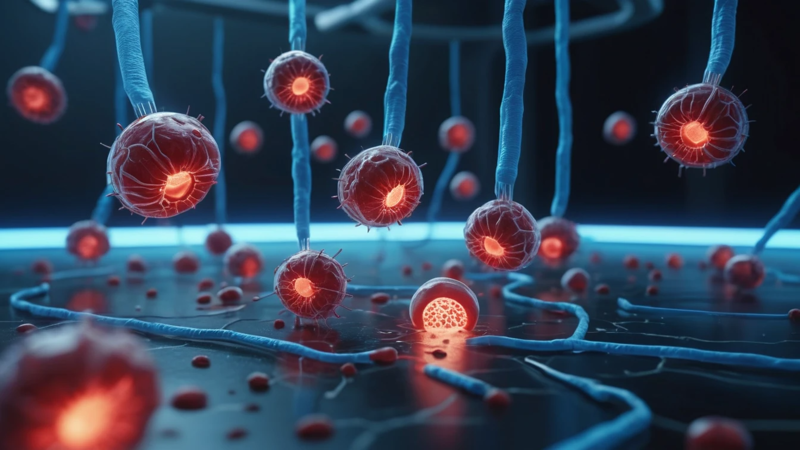
Nanobots are tiny machines designed to move through the human body. They can perform tasks like repairing tissues or delivering drugs.
These microscopic robots will navigate the bloodstream, identify issues, and fix them in real time. Imagine a doctor treating you from the inside—without surgery.
Smart Drug Delivery Systems 💊
One of the biggest breakthroughs will be targeted drug delivery. Nanoparticles can carry medicine directly to affected cells.
This means:
- Lower doses of medication
- Reduced side effects
- Faster recovery times
Patients will no longer need high doses of drugs that affect the entire body.
Early Disease Detection At The Cellular Level 🔍
Nanotech will help detect diseases before symptoms appear. Tiny sensors can identify abnormal cells early.
This is especially important for conditions like cancer. Early detection dramatically increases survival rates and treatment success.
Personalized Medicine Will Become The Norm 🧬
By 2030, treatments will be tailored to each person’s unique biology. Nanotech will analyze genetic and cellular data quickly.
Doctors will design treatments specifically for you. This approach improves effectiveness and reduces trial-and-error in medicine.
Nanotechnology In Cancer Treatment 🎗️
Cancer care will see one of the biggest transformations. Nanoparticles can target tumor cells without harming healthy ones.
Here’s how it helps:
- Delivers chemotherapy directly to tumors
- Reduces damage to healthy tissue
- Improves survival rates
This makes cancer treatment less painful and more effective.
Regenerative Medicine And Tissue Repair 🌱
Nanotech will help repair damaged tissues and organs. It can stimulate cell growth and healing.
This could lead to breakthroughs in treating injuries and chronic diseases. Patients may recover faster with fewer complications.
Key Nanotech Applications In Medicine
| Application Area | How It Helps Patients | Expected Impact By 2030 |
| Drug Delivery | Targets specific cells | Fewer side effects |
| Disease Detection | Identifies issues early | Higher survival rates |
| Tissue Repair | Speeds up healing | Faster recovery |
| Cancer Treatment | Attacks tumors directly | Improved outcomes |
Fighting Infections With Nanoparticles 🦠
Nanoparticles can destroy bacteria and viruses more effectively than traditional antibiotics.
This is especially important as antibiotic resistance grows. Nanotech could offer new ways to fight infections safely.
Revolutionizing Surgery With Nanotech 🏥
Surgery will become less invasive thanks to nanotechnology. Tiny tools can perform procedures without large incisions.
Patients will experience:
- Less pain
- Shorter hospital stays
- Faster recovery
This is a huge shift from traditional surgical methods.
Wearable Nanotech For Real-Time Health Monitoring ⌚
Imagine devices that constantly monitor your health at a microscopic level. Nanotech makes this possible.
Wearables will track vital signs, detect abnormalities, and alert you instantly. This helps prevent serious health issues before they escalate.
Ethical Challenges And Safety Concerns ⚖️
While nanotech offers many benefits, it also raises important questions. Safety and ethical use must be carefully managed.
Concerns include:
- Long-term effects on the body
- Privacy of medical data
- Cost and accessibility
Balancing innovation with responsibility is crucial.
Cost And Accessibility Of Nanomedicine 💰
Initially, nanotech treatments may be expensive. However, costs are expected to decrease over time.
As technology advances, more people will gain access to these life-saving innovations. Healthcare could become more efficient and affordable in the long run.
Benefits Vs Challenges Of Nanotechnology
| Benefits | Challenges |
| Precise treatments | High initial cost |
| Early disease detection | Ethical concerns |
| Reduced side effects | Regulatory hurdles |
| Faster recovery | Limited awareness |
How Nanotech Will Improve Mental Health Treatments 🧠
Nanotechnology could also impact mental health care. It may help deliver drugs directly to specific brain regions.
This improves treatment effectiveness for conditions like depression and anxiety. Patients may experience quicker relief with fewer side effects.
The Role Of AI In Nanomedicine 🤝
Artificial intelligence will work alongside nanotech to enhance healthcare. AI can analyze data collected by nanosensors.
Together, they create smarter treatment plans. This combination will make healthcare more predictive and proactive.
Future Hospitals Will Look Very Different 🏥✨
Hospitals in 2030 will rely heavily on advanced technology. Nanotech will reduce the need for long hospital stays.
Many treatments could happen at home with remote monitoring. This makes healthcare more convenient and efficient.
Timeline Of Nanotech Advancements
| Year Range | Key Development | Impact |
| 2025–2027 | Improved drug delivery systems | Better treatment results |
| 2027–2029 | Advanced nanosensors | Early disease detection |
| By 2030 | Widespread nanobot use | Major healthcare shift |
What This Means For Patients 🧑⚕️
For patients, nanotechnology means better care with fewer risks. Treatments will be faster, more accurate, and less invasive.
You may spend less time in hospitals and more time living your life. Healthcare will become more personalized than ever before.
Industries Driving Nanotech Innovation 🌍
Several industries are pushing nanotechnology forward:
- Biotechnology companies
- Pharmaceutical firms
- Research institutions
- Tech companies
Their combined efforts are accelerating breakthroughs in medicine.
Final Thoughts On Nanotech In Medicine 🔮
Nanotechnology is not just a trend—it’s the future of medicine. By 2030, it will transform how diseases are diagnosed, treated, and prevented.
From nanobots to smart drugs, the possibilities are endless. While challenges exist, the potential benefits far outweigh them.
Healthcare is becoming more precise, efficient, and patient-focused—and nanotech is leading the way.
FAQs
How Will Nanotechnology Change Healthcare By 2030?
Nanotechnology will improve disease detection and treatment precision. It allows targeted therapies with fewer side effects. Patients will experience faster recovery and better outcomes.
What Are Nanobots Used For In Medicine?
Nanobots can deliver drugs, repair tissues, and detect diseases. They work inside the body at a microscopic level. This reduces the need for invasive procedures.
Is Nanotechnology Safe For Medical Use?
Nanotechnology is being tested for safety and effectiveness. Researchers are working to minimize risks. Proper regulation will ensure safe use in healthcare.
Can Nanotech Cure Cancer By 2030?
Nanotech may not fully cure cancer but will improve treatment greatly. It targets tumor cells more precisely. This increases survival rates and reduces side effects.
How Will Nanotech Affect Future Treatments?
Treatments will become more personalized and efficient. Doctors will use data to design targeted therapies. This leads to better patient care and outcomes.